
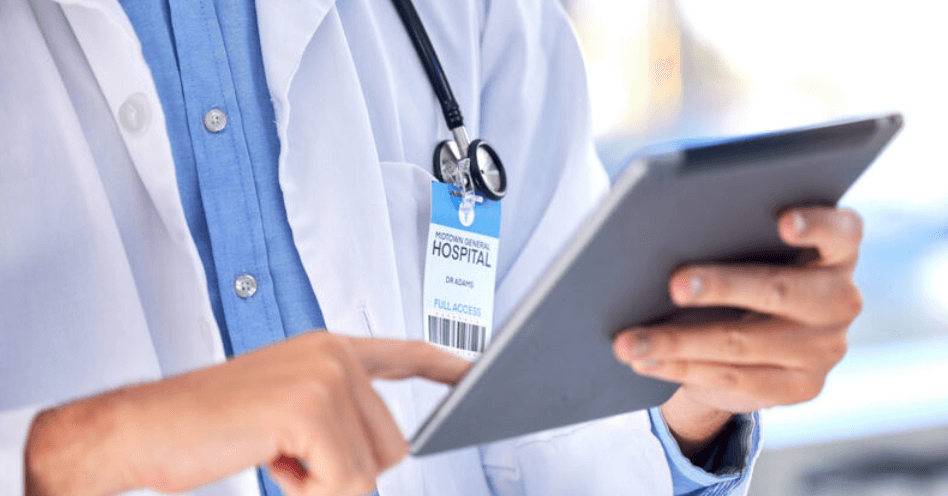
The integration of technology in healthcare has transformed access to medical services. Telemedicine allows patients to consult healthcare providers remotely, overcoming geographical barriers. Mobile health applications enable real-time health monitoring, fostering patient engagement. These advancements promise to enhance the efficiency and quality of care. However, the implications of these technologies extend beyond convenience. What challenges arise in ensuring equitable access to these innovations, and how can they be addressed?
Telemedicine: Bridging the Gap in Healthcare Access
As healthcare systems worldwide grapple with increasing demand and limited resources, telemedicine emerges as a pivotal solution to enhance accessibility.
This innovative approach enables remote consultations, allowing patients to connect with healthcare providers from the comfort of their homes.
See also: The Role of Smart Devices in Transforming Healthcare
Mobile Health Applications: Empowering Patients on the Go
Telemedicine has paved the way for a new era of healthcare accessibility, and mobile health applications are further enhancing this transformation by empowering patients to manage their health actively and conveniently.
These applications foster patient engagement through features like remote monitoring, allowing individuals to track their health metrics in real time.
As a result, patients experience greater autonomy and informed decision-making regarding their healthcare.
AI-Driven Diagnostics: Enhancing Efficiency and Accuracy in Care
AI-driven diagnostics represent a significant advancement in the healthcare landscape, transforming the way medical professionals approach patient care.
By leveraging predictive analytics, these systems enhance diagnostic accuracy and efficiency, allowing for timely interventions.
Automated triage further streamlines patient assessment, ensuring that individuals receive appropriate care based on their specific needs.
This technological evolution fosters a more responsive and effective healthcare environment, ultimately promoting better patient outcomes.
Conclusion
In conclusion, the integration of technology in healthcare is a game changer, breaking down barriers that once impeded access to quality care. Telemedicine and mobile health applications empower patients while AI-driven diagnostics streamline processes, ensuring efficiency and precision. As these innovations continue to evolve, they pave the way for a more equitable healthcare landscape, demonstrating that when it comes to accessibility, every cloud has a silver lining. The future of healthcare is not just bright; it is within reach for all.


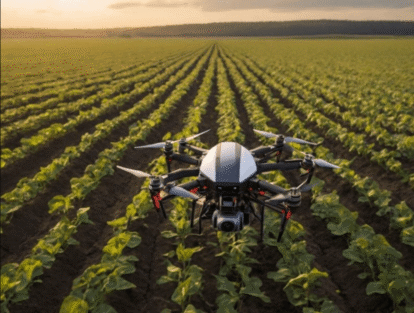
 The Role of Technology in Advancing Sustainable Agriculture