
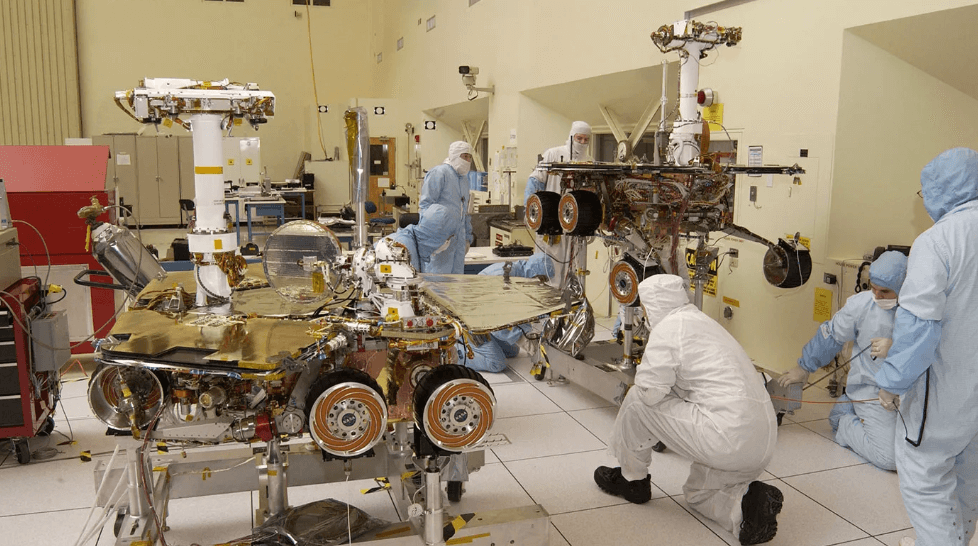
Robotics has become integral to space exploration, facilitating autonomous operations in extreme environments. Advanced algorithms and artificial intelligence empower robotic systems to conduct intricate tasks, gather geological data, and assess planetary conditions. Missions such as Mars rovers and lunar landers exemplify these capabilities. Understanding the full impact of these technologies raises questions about future developments and their potential to reshape human exploration of the cosmos. What lies ahead in this evolving field?
Advancements in Robotic Technology
Recent advancements in robotic technology have significantly enhanced the capabilities of spacecraft and robotic systems used in space exploration.
Enhanced robotic algorithms facilitate autonomous navigation, allowing spacecraft to traverse complex environments with minimal human intervention. These innovations enable precise maneuvering and decision-making, thereby increasing mission efficiency.
As a result, the potential for human-like adaptability in extraterrestrial conditions has expanded, promoting greater freedom in exploration initiatives.
Key Robotic Missions and Their Impact
Robotic missions have transformed the landscape of space exploration, demonstrating significant strides in scientific discovery and technological development.
Mars Rovers, such as Curiosity and Perseverance, have provided invaluable data on Martian geology and potential habitability.
Similarly, Lunar Landers, including the recent Artemis missions, have advanced our understanding of the Moon’s resources and environment, paving the way for future human exploration and sustainable off-world habitation.
The Future of Robotics in Space Exploration
As advancements in artificial intelligence and materials science continue to evolve, the future of robotics in space exploration promises to enhance both the capabilities of autonomous systems and the scope of scientific inquiry.
Enhanced autonomous navigation will enable robots to operate effectively in deep space environments, facilitating prolonged missions and complex tasks, thereby accelerating discoveries and expanding humanity’s understanding of the cosmos.
Conclusion
In conclusion, robotics significantly enhances space exploration through advanced autonomy and intelligence, enabling missions that were previously unattainable. For instance, the Mars rover Perseverance employs cutting-edge algorithms to analyze soil samples and search for signs of ancient life, exemplifying the transformative impact of robotic technology. As these systems continue to evolve, their capabilities will further expand, paving the way for human habitation on other celestial bodies and deepening our understanding of the cosmos.



 The Role of Smart Devices in Transforming Healthcare