
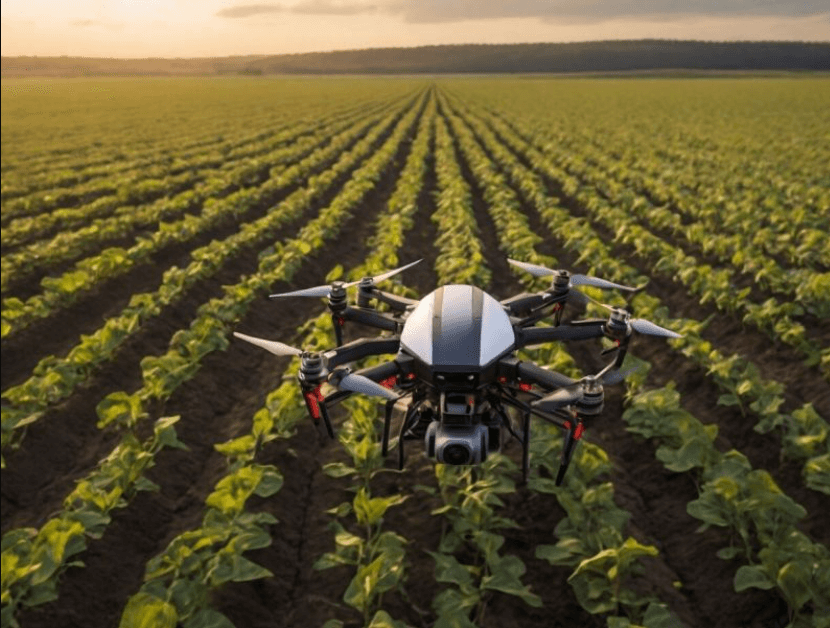
The integration of technology in agriculture signifies a transformative shift towards sustainability. Precision farming enhances resource management through data-driven practices, while biotechnology fosters crop resilience against environmental stressors. Additionally, smart technologies streamline operations, improving efficiency and decision-making. As these innovations converge, they present a compelling case for addressing the dual challenges of productivity and environmental stewardship. The implications for the future of food security and climate adaptability warrant a closer examination.
Precision Farming: Optimizing Resources for Maximum Yield
As the demand for food continues to rise alongside the pressures of climate change, precision farming emerges as a critical solution for optimizing agricultural resources.
Utilizing drone monitoring for aerial assessments and soil sensors for data collection, farmers can make informed decisions that enhance productivity.
This innovative approach not only maximizes yields but also promotes sustainable practices, ensuring freedom from resource depletion and environmental degradation.
See also: The Role of Technology in Advancing Healthcare Accessibility
Biotechnology: Innovations for Crop Resilience
Significant advancements in biotechnology are reshaping the landscape of sustainable agriculture, particularly in enhancing crop resilience.
Innovations such as gene editing empower farmers to develop crops with improved pest resistance, reducing reliance on chemical pesticides.
These advancements not only bolster food security but also align with ecological principles, fostering a more sustainable agricultural future where crops thrive amidst environmental challenges.
Smart Technologies: Enhancing Efficiency and Sustainability
While traditional farming practices have long relied on manual labor and intuition, the integration of smart technologies is revolutionizing the agricultural landscape by enhancing both efficiency and sustainability.
Automation tools streamline processes, reducing waste and labor costs, while data analytics provide vital insights into crop performance and resource management.
This synergy fosters a more resilient agricultural system, empowering farmers to make informed, sustainable decisions.
Conclusion
In conclusion, the integration of technology in sustainable agriculture not only enhances productivity but also addresses pressing environmental challenges. For instance, a hypothetical case of a smallholder farmer using drone technology to monitor crop health could illustrate the transformative impact of these advancements. By precisely applying water and nutrients based on real-time data, the farmer not only increases yield but also significantly reduces waste, ultimately contributing to food security and environmental conservation in a changing climate.




 Understanding Blockchain: A Beginner’s Guide