
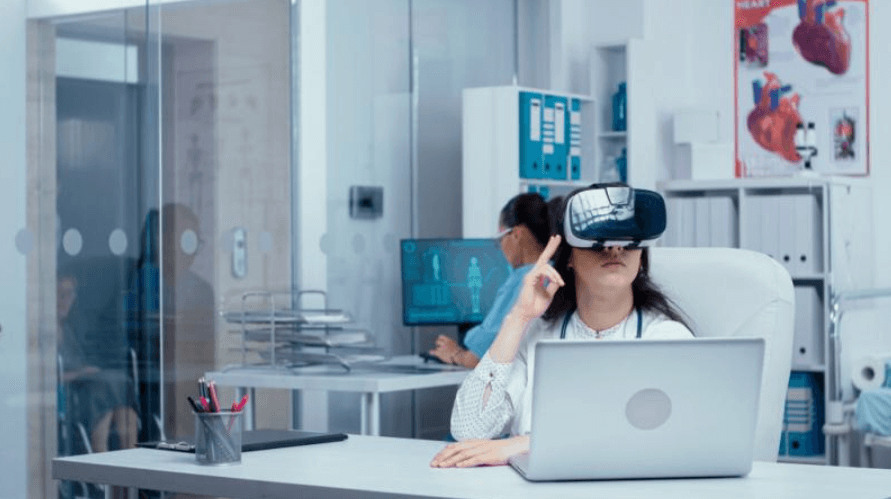
Smart devices are increasingly integral to modern healthcare, providing continuous monitoring and real-time data collection. These technologies enhance patient engagement and facilitate communication among patients, caregivers, and healthcare providers. As healthcare systems adopt smart home devices and wearables, they optimize resource distribution and improve access to care. However, the full implications of these advancements on patient outcomes and the healthcare landscape remain to be explored. What challenges and opportunities lie ahead in this evolving ecosystem?
Enhancing Patient Engagement Through Wearable Technology
Wearable technology revolutionizes patient engagement by providing real-time health data and fostering active participation in personal health management.
Through effective health tracking, patients gain insights into their conditions, enabling informed decisions.
Additionally, the integration of patient feedback enhances the design and functionality of these devices, ensuring they meet user needs.
This empowerment encourages individuals to take ownership of their health journeys.
See also: The Role of Robotics in Space Exploration
The Impact of Telemedicine on Healthcare Delivery
As telemedicine continues to evolve, its transformative impact on healthcare delivery becomes increasingly evident.
Virtual consultations facilitate immediate access to healthcare professionals, reducing geographical barriers.
Additionally, remote diagnostics empower patients by enabling timely evaluations of health conditions from their homes.
This shift not only enhances patient convenience but also optimizes resource allocation within healthcare systems, ultimately fostering a more efficient and responsive healthcare environment.
Smart Home Devices: Facilitating Remote Monitoring and Care
Smart home devices have emerged as pivotal tools in facilitating remote monitoring and care within the healthcare landscape.
These innovations enhance smart health by enabling continuous patient data collection and real-time feedback.
Furthermore, device interoperability ensures seamless communication between various technologies, empowering caregivers and patients alike.
This integration fosters a more personalized healthcare experience, promoting autonomy and informed decision-making in health management.
Conclusion
In conclusion, the integration of smart devices in healthcare is akin to equipping a ship with advanced navigational tools, enabling it to sail through turbulent waters with precision and confidence. As patient engagement increases through wearable technology, telemedicine reshapes traditional care delivery, and smart home devices enhance remote monitoring, the healthcare landscape transforms. This evolution not only empowers individuals to take charge of their health but also ensures a more connected, efficient system that anticipates and responds to patient needs proactively.



 The Role of Technology in Advancing Healthcare Accessibility